


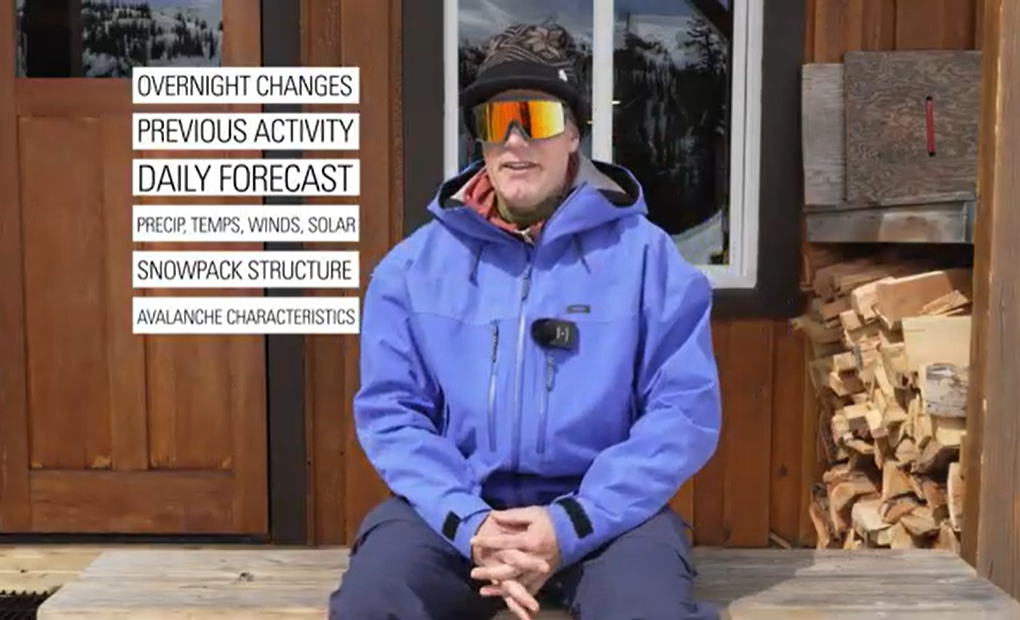
We love to start the day having a conversation before even leaving the trailhead. ACMG Ski Guide Marty Schaffer from CAPOW Guiding uses a routine called "The Process" to get everyone on the same page so that when you reach decision-making points in the field, you have a solid foundation set up for success.
Step 1: Gather Overnight Updates & Reports The conversation begins by gathering overnight changes in the weather and snow conditions. Take previous avalanche activity and apply that to the regional avalanche bulletin, then look at the day's forecast for both avalanche conditions and the weather forecast.
Step 2: Focus on the 4 Core Inputs Pay close attention to the four inputs that affect change in the avalanche world:
-
Precipitation
-
Temperature
-
Wind
-
Solar
If a big change to these inputs is anticipated, talk about it at the car so it can be brought up again once you are in the field.
Step 3: Talk Snowpack Structure Discuss the snowpack structure and the specific things you are going to look out for in the field. You may not even need to dig a pit; you might be able to evaluate those changes right under your ski tips.
Step 4: Breakdown Avalanche Characteristics The meat of the conversation centres on avalanche characteristics. In British Columbia, there are often two main problems to consider:
-
Surface Snow Instability
-
Persistent Weak Layer
Apply factors like the probability and likelihood of triggering, and determine what type of trigger it might be—whether it is a lightweight trigger like a skier or a big load like a cornice. Funnel all those characteristics down to get a snapshot of the avalanche danger rating.
Step 5: Evaluate Human Factors & Information Gaps Finish the conversation by looking beyond the snowpack:
-
Human Factors: Talk about whether someone in the group is tired or if there is a split in the group dynamic.
-
Information Gaps: Identify any missing information you need about the snowpack or terrain features to gather for the future.
Chatting through these points before leaving the trailhead keeps everyone on the same page and sets your group up for a successful day in the mountains.